Best roomy flight-cage pattern
A wide flight cage with 1/2 inch spacing is the first comparison point for many finch and canary setups.
Jump to pickFinch Cage Guide
Finches and canaries are small, active birds. Start with tight spacing, simple cleaning access, and as much usable width as your room allows.
How We Shortlist
We shortlist cages by usable interior space, bar spacing, material, door/latch design, tray access, replacement-part support, and how clearly the manufacturer publishes specs.
Last reviewed: 2026-10-03
Quick Picks
For finches and canaries, the cage shape matters as much as the listed size. Start with a wide rectangle, tight spacing, and a layout that keeps a clear horizontal flight lane.
A wide flight cage with 1/2 inch spacing is the first comparison point for many finch and canary setups.
Jump to pickIf a model changes, keep the pattern: wide rectangle, tight spacing, simple tray, and clear flight lane.
Jump to pickLarge small-bird cages that publish 5/8 inch spacing or unclear feeder-door gaps.
Jump to pickResearch Picks
These picks focus on the biggest finch and canary buying issues: tight spacing, escape-prone gaps, flight width, and easy daily cleaning.
Best roomy flight-cage pattern
A wide flight-cage baseline with published interior dimensions and 1/2 inch spacing, useful for small birds that benefit from width more than decorative height.
Best fallback pattern
If the model changes, keep the pattern: wide interior space, tight spacing, simple cleaning access, and enough room for multiple perches without blocking movement.
Spacing caution example
This is useful as a caution comparison because the size is appealing, but the 0.6 inch / 5/8 inch spacing may be too wide for small finches or canaries.
Flock Planning
Small birds still need real room. A cage that looks spacious for one bird can feel busy once several birds, perches, food cups, and bath access are added.
| Setup | Cage focus | Watch out for |
|---|---|---|
| One or two finches | Wide rectangular cage with tight spacing and simple cleaning | Do not let perches and dishes block the main flight path |
| Small flock | Size up for more horizontal length and multiple perching zones | Crowding can happen quickly once several birds claim favorite spots |
| Canaries | Prioritize width, quiet placement, and easy daily maintenance | Avoid cramped cages sold mainly as decorative accents |
Flight Space
Finches move quickly across short distances, so a wide rectangular cage is usually more useful than a tall, narrow cage.
Escape Checks
Small birds can find weak points around doors, feeder openings, and assembly gaps. Bar spacing is only the first filter.
Common Mistakes
Extra height does not help much if the bird cannot make short horizontal flights inside the cage.
Very small birds can exploit weak points around doors and feeder openings even when the main bar spacing looks acceptable.
Finches need open space more than bulky accessories. Keep baths, perches, and toys from crowding the flight lane.
Setup Notes
Keep perches and accessories from blocking the main horizontal movement path.
Use varied safe perches, but avoid crowding the cage with bulky accessories.
Choose trays and food access that make daily cleaning realistic instead of fussy.
Checklist
Common Questions
A practical research starting point is around 30 inches long by 18 inches wide by 18 inches high, with more horizontal length preferred when space allows.
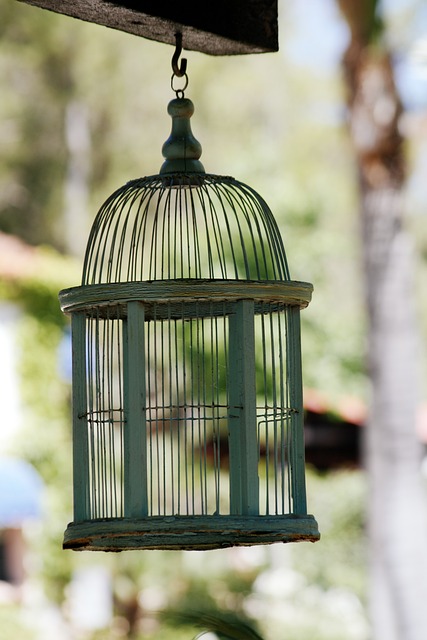
A round cage is not a good default for daily housing. Rectangular cages usually give better usable flight room and easier perch placement.
Canaries and finches often share similar cage priorities: tight spacing, horizontal room, and simple cleaning. The individual bird, number of birds, and room layout still matter.
We shortlist cages by usable interior space, bar spacing, material, door/latch design, tray access, replacement-part support, and how clearly the manufacturer publishes specs.