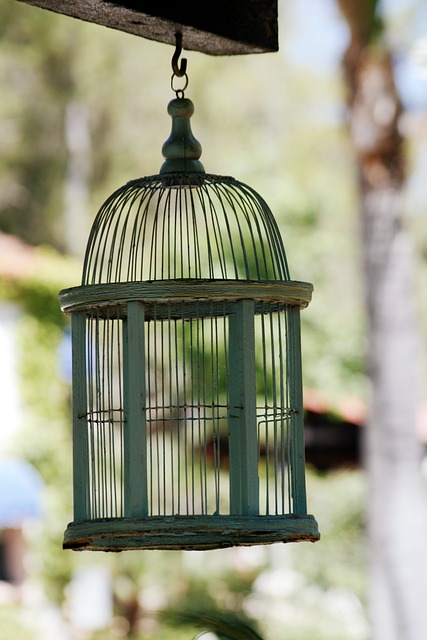
Small Bird Cages
Best for finches, canaries, budgies, parakeets, and other small birds where safe bar spacing and flight width matter most.
Independent Bird Cage Research
Find safer cage options by bird size, bar spacing, cleaning needs, and budget before you click through to buy.
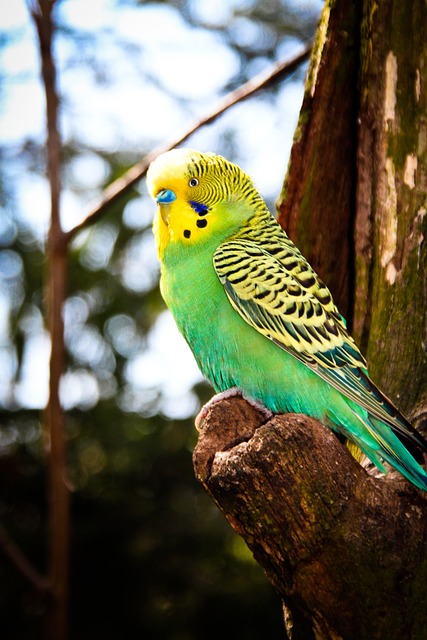
Interactive Tool
Build a practical cage-shopping target from the bird species, number of birds, available floor space, and preferred cage style.
The result is a research starting point. Individual birds, housing routines, and veterinary guidance can change what is appropriate.
Start Here
Best for finches, canaries, budgies, parakeets, and other small birds where safe bar spacing and flight width matter most.
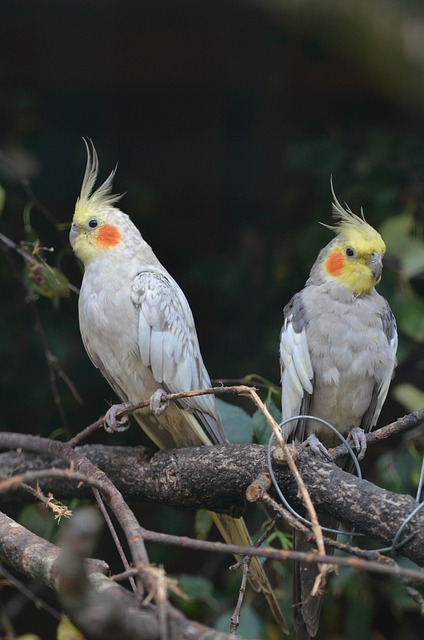
A better starting point for cockatiels, lovebirds, conures, and active birds that need more climbing and toy space.
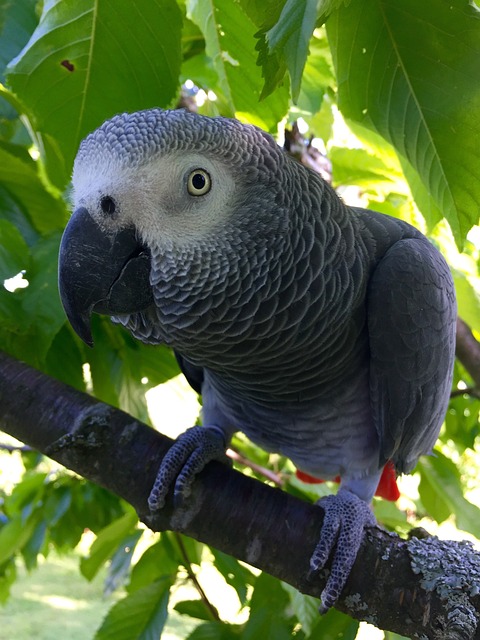
For larger parrots where door security, gauge, rolling bases, and long-term durability become the main buying criteria.
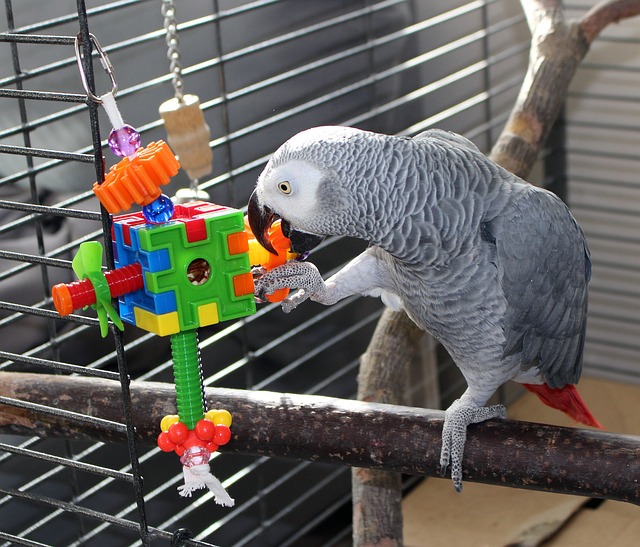
Enrichment ideas that pair with cage setup: foraging, chewing, climbing, and rotation plans.
Species Guides
If you already know the bird, these guides narrow the cage search by bar spacing, interior room, door security, and realistic daily upkeep.
Small-bird cage picks for finches and canaries where safe spacing and horizontal flight room matter most.

Flight-width cage picks for budgies and parakeets, with safer bar-spacing notes and cleaning tradeoffs.
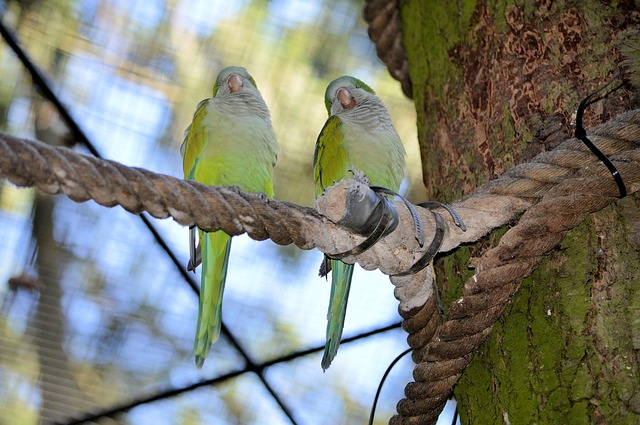
Roomy medium-cage options for lovebirds, focused on width, safe spacing, and active daily use.
Medium cage shortlists for cockatiels, focused on interior room, door safety, and daily maintenance.
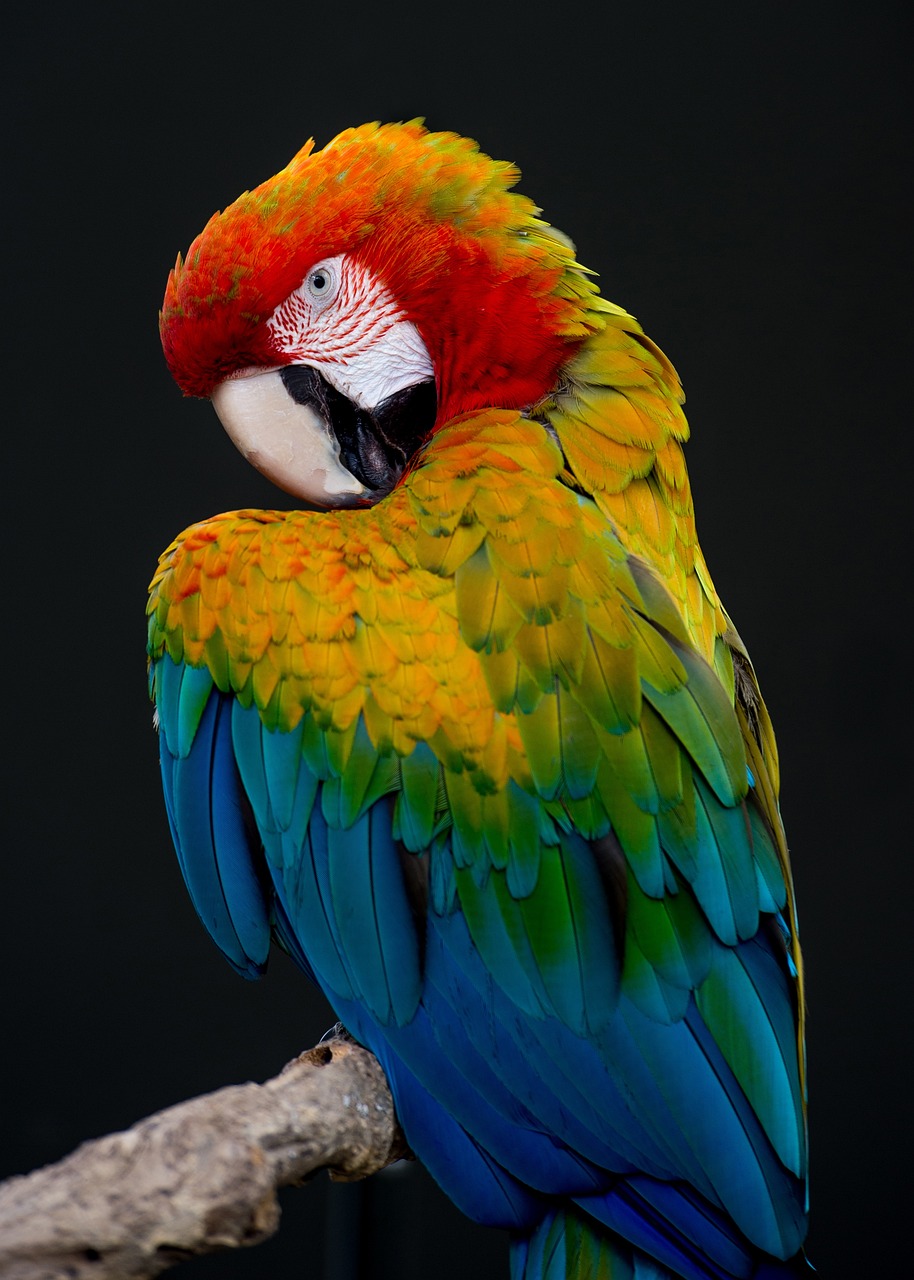
Medium-cage picks for active conures, with extra attention to latches, chew resistance, and toy space.
Large parrot cages with attention to latch security, bar spacing, build quality, and usable interior space.
Heavy-duty cage options for active Amazon parrots, balancing safety, cleaning, footprint, and value.
Large, secure cage picks for cockatoos where latch design, durability, and enrichment space matter most.
Oversized cage research for macaws and very large parrots, including bar spacing and long-term build concerns.
Safety Baseline
Use these as starting points for research. Individual birds, time outside the cage, and species-specific needs can change the right answer.
| Bird type | Starting cage size | Bar spacing | Buying priority |
|---|---|---|---|
| Finches and canaries | 30 in L x 18 in W x 18 in H | 1/4 to 1/2 in | Horizontal flight space |
| Budgies and parakeets | 30 in L x 18 in W x 18 in H | 1/2 in or less | Width, safe doors, easy cleaning |
| Lovebirds | 32 in L x 20 in W x 24 in H | 1/2 to 5/8 in | Width, climbing space, and chew-safe setup |
| Cockatiels | 32 in L x 20 in W x 24 in H | 1/2 to 5/8 in | Climbing room and secure latches |
| Conures and small parrots | 36 in L x 24 in W x 36 in H | 5/8 to 3/4 in | Chew-resistant construction |
| African greys | 36 in L x 28 in W x 48 in H or larger | 3/4 to 1 in | Heavy gauge metal and reliable locks |
| Amazon parrots | 36 in L x 28 in W x 48 in H or larger | 3/4 to 1 in | Door security, chew resistance, and room for enrichment |
| Cockatoos | 40 in L x 30 in W x 60 in H or larger | 3/4 to 1 in | Stronger locks and durable cage construction |
| Macaws and very large parrots | 48 in L x 36 in W x 60 in H or larger | 1 to 1.5 in | Premium build quality and door security |